1717 Gravesend Neck Road,




Brake Service in Brooklyn, NY
For European Vehicles
Brake Service in Brooklyn, NY
For European Vehicles
Brakes on a BMW, Mercedes or Porsche are not four bolt-on parts. They are a hydraulic circuit, an electronic wear-sensor loop and an ABS module that all have to agree with each other, and southern Brooklyn works all three hard. Bay Diagnostic has serviced European brakes on Gravesend Neck Road under the same ownership for over 40 years. Pads are the visible half. This page covers the whole system — what gets measured, what gets replaced, and which part a given symptom actually points at.
Quick Takeaways
- What the job covers: Pads, rotors, calipers and hardware, plus the hydraulic side — fluid, lines, ABS pump — checked as one system.
- Local wear pattern: Kings Highway stop-and-go eats brakes faster than highway miles ever will.
- Measured, not guessed: Rotors get a micrometer, pads get a gauge, fluid gets a moisture test.
- Parts and backing: OEM pads, rotors and wear sensors, with a 36,000-mile / 36-month warranty available.
High-End European Vehicles We Service





A brake job on a European car covers four connected parts
Pads, rotors, calipers, hydraulics. Replace one without checking the other three and you have bought yourself a comeback, usually within a season.
The pads carry the friction material and, on most BMWs and Mercedes, an electronic wear sensor wired into the dash. Rotors are the surface those pads squeeze, and they thin out with every stop. Calipers hold the pistons and slide pins that let the pad float, and one seized pin cooks a single pad at twice the rate of its partner.
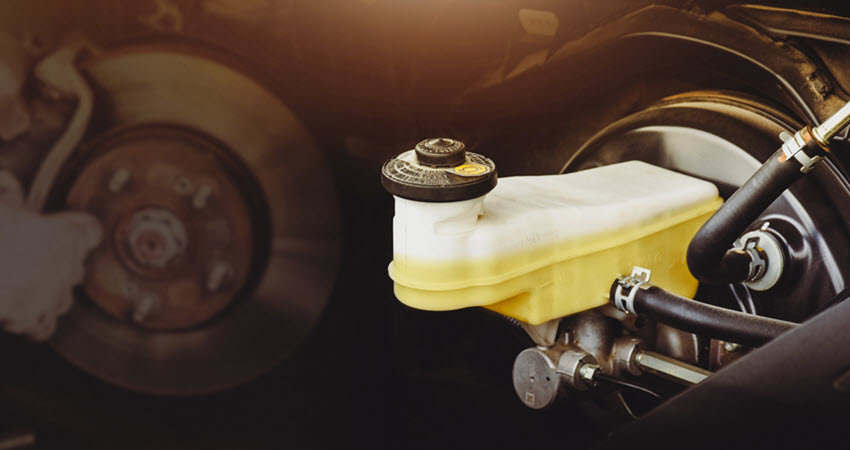
Hydraulics tie it together: fluid, hard lines, flex hoses, master cylinder, and the ABS and stability control pump. Skip that side and the car stops fine on a test drive, then feels wrong at the first hard stop.
Kings Highway traffic wears brakes faster than highway miles do
A mile of Kings Highway costs more brake life than five on the parkway. The corridor a mile and a half north of the shop was laid out in 1704 and has been dense retail for a century — curb turnover, delivery vans, a light at nearly every block. Cars creep. Brakes never cool.
Hundreds of low-energy stops do not scrub a rotor clean. They glaze the pad and smear transfer material onto the disc, which is why 30,000 easy Brooklyn miles can finish a set sooner than 60,000 highway miles.
Age compounds it. S&P Global Mobility put the average U.S. vehicle age at 12.8 years in 2025, with passenger cars averaging 14.5 years — well past any factory coverage, and long enough for rubber flex hoses to swell internally and hold pressure at one corner.
Rotors get measured with a micrometer, not judged by eye
Nothing here is eyeballed. Every rotor carries a minimum thickness cast or stamped into its hat, and that number decides whether the disc stays on the car. We measure at several points around the face, because rotors rarely wear evenly, and check lateral runout with a dial indicator.
Rust matters here. A car that lives at the curb builds a ridge at the outer edge where the pad never sweeps, and a corroded hub face throws runout on a rotor that is otherwise perfectly serviceable.
Brake fluid is the half of the system you never look at
Brake fluid is hygroscopic — it pulls moisture out of the air through the reservoir and the flex hoses, whether the car is driven or parked. Most European manufacturers call for a change roughly every two years regardless of mileage, and moisture content is testable in minutes.
Water lowers the boiling point. Boil the fluid on a long descent and the pedal goes to the floor while the pads are still perfectly good.
A soft or sinking pedal is a hydraulic problem, not a pad problem
Pads change stopping power. They do not change how the pedal feels. A pedal that goes spongy, goes long, or sinks slowly under steady foot pressure is air, moisture or a leak somewhere in the circuit, and no amount of new pads and rotors will change it.
Bleeding a modern European car is not a two-person, jar-and-hose job. The ABS and stability control unit holds fluid that never moves unless a scan tool commands the pump to cycle. A shop without factory software leaves old fluid exactly where it does the most harm.
The dash tells you which part of the brake system is complaining
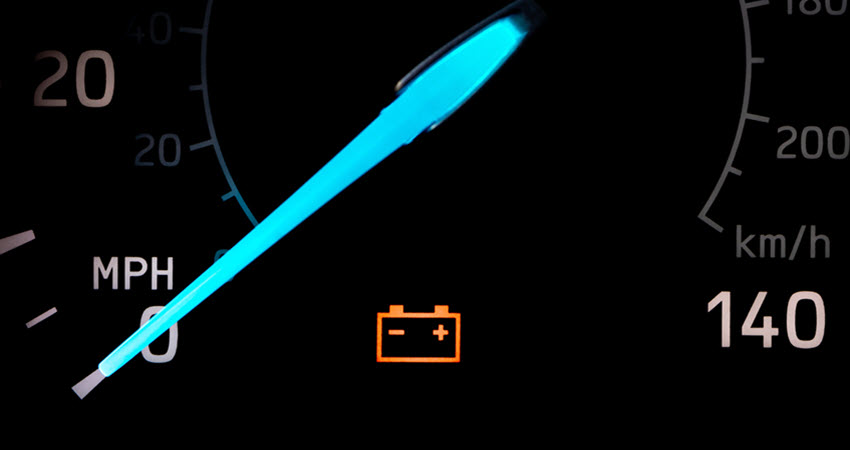
Three lamps, three meanings. The red brake lamp points at fluid level or the parking brake. The amber ABS lamp means a wheel speed sensor, the module or its wiring, and the stability control lamp usually means that system is disabled because ABS already is.
Mercedes models with Sensotronic Brake Control are their own case, with a hydraulic unit, an actuation counter and a warning message only XENTRY reads. Dennis, our Mercedes specialist, has been doing that work for roughly 30 years.
Book Brake Service in Brooklyn
Bay Diagnostic, 1717 Gravesend Neck Road, Brooklyn, NY 11229, open Monday through Friday from 7:30 AM to 4:30 PM and closed Saturday and Sunday, with vehicle pickup and delivery available. Online at www.baydiagnostic.com. ASE-certified, financing available, 15% off for first responders.
Fill Out The Form Below
Frequently Asked Questions
Do rotors have to be replaced with brake pads?
Usually, on a European car. Most discs are cast thin enough that by the time the pads are done the rotor is near its discard thickness, and new pads bed poorly on a grooved surface.
Why do my brakes squeak in the morning and stop later?
Overnight surface rust. A thin film forms on the discs of a car parked outside, then scrapes off in the first few stops. Squealing that continues once the car is warm is another problem — glazed pads, a worn sensor or loose hardware.
What is the difference between the brake light and the ABS light?
Different systems. The red brake warning lamp points at fluid level or the parking brake, and it means stop and check. The amber ABS lamp means anti-lock is offline; the car still stops, but it will not modulate on a wet street.
How often should brake fluid be changed on a BMW or Mercedes?
Every two years. Calendar, not odometer — fluid absorbs moisture whether or not the car moves. Low-mileage street-parked cars are the ones that get missed.