1717 Gravesend Neck Road,




Brake Pad Sensor Repair
in Brooklyn, New York
Brake Pad Sensor Repair
in Brooklyn, New York
The warning comes on somewhere between Avenue U and the Belt Parkway, and by then the pad is down to its last few millimeters. Cheapest part in the job. A wear sensor is a scrap of plastic and a loop of wire, and it is the piece most often left in the box while the pads go on. On a BMW or a Mercedes that sensor is wired into the car’s service computer, so the dash keeps asking until the circuit and the counter are both put right. Bay Diagnostic has done this work from 1717 Gravesend Neck Road in Homecrest for over 40 years.
Quick Takeaways
- It is a circuit, not a gauge: A loop of wire sits in the pad. The rotor cuts it and the dash lights up. Nothing in between.
- One-time-use part: Once it has been ground through, a sensor cannot be repaired. New pads get new sensors.
- Salt air is the local enemy: In Manhattan Beach, Brighton Beach and Gerritsen Beach the connector corrodes long before the pad wears out.
- The reset is part of the job: BMW Condition Based Service and the Mercedes service reminder are cleared with ISTA or XENTRY.
High-End European Vehicles We Service










The wear sensor is a circuit the rotor grinds open
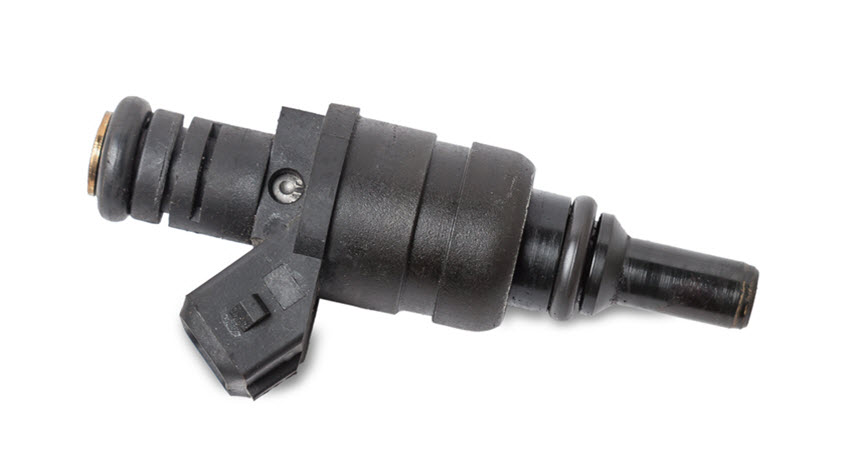
A brake pad wear sensor is a plastic pin carrying a loop of wire, pressed into a slot in one pad on each axle. The pad wears, the rotor reaches the pin, the loop is cut, and the car reads that open circuit and lights the dash. No percentage. No gradual reading — the sensor knows two states, intact or not.
BMW folds the result into Condition Based Service, so brake life is reported next to oil, microfilter and inspection intervals, and Mercedes ties it to the service reminder the same way. Both fit one sensor per axle, on a single corner, on the assumption that the opposite side is wearing at the same rate. Usually it is.
That assumption is exactly why both wheels on an axle come off and the pads get measured, rather than the light being taken at its word.
Brooklyn traffic wears pads on the clock, not the odometer
Pad life here tracks stops, not miles. Drivers in this district average a 42.7-minute commute against 26.4 minutes for the typical American worker (2024 Census data), and most of that is spent creeping with a foot on the pedal. Avenue U will put a hundred stops on a car before it ever sees a highway.
So a low-mileage local car can trip its sensor before a highway commuter with three times the odometer reading. Mileage rules of thumb do not survive this neighborhood. Measure the pad.
Salt air corrodes the sensor plug before the pad ever wears out
Two salt sources reach the same connector down here. Winter road brine comes up off the street, marine humidity rolls in year-round off the water, and Manhattan Beach and Brighton Beach sit either side of Corbin Place, a shade over two miles south. Gerritsen Beach is closer still. Cars that live at the curb in those pockets never really dry out.
What that does to a wear sensor is predictable. The pins inside the plug go green, the wire chafes where it runs past the strut, and the dash throws a pad warning on a pad with plenty of material left. Fit a new sensor without cleaning or replacing that connector and you buy the same warning back within the month. Don’t.
A sensor that has done its job cannot go back in
Once the loop is cut the sensor is scrap. There is nothing to solder and nothing to reset, which is why it is a one-time-use part and why a set of pads that triggered a warning gets fresh sensors fitted alongside them.
Sensors that come out intact are a judgment call. If the pads were changed early and the tip is untouched, the plastic has still been heat-cycled against a hot rotor for years and the retaining clip is usually brittle. It goes in the bin. Rotors get measured while the wheels are off. Pads, sensors and discs are one job, not three visits.
Clearing the reminder takes the factory tool
The dash light does not go out on its own. The service computer has to be told that new material went in, which on a BMW or MINI means resetting the Condition Based Service counter through ISTA, on a Mercedes it means XENTRY, and on a Porsche it means PIWIS. Those are the tools on the bench here.
Small step. It gets skipped constantly. Reset it wrong and the car will report brake life it does not have, and the next warning shows up with the rotor already scored.
Book Brake Pad Sensor Service in Brooklyn
Bay Diagnostic, 1717 Gravesend Neck Road, Brooklyn, NY 11229, open Monday through Friday from 7:30 AM to 4:30 PM and closed Saturday and Sunday. Online at www.baydiagnostic.com. ASE-certified technicians, OEM parts, and vehicle pickup and delivery available.
Fill Out The Form Below
Frequently Asked Questions
Do brake pad sensors have to be replaced with the pads?
If the sensor triggered, yes — the circuit is physically cut. If the pads were changed early and the tip is untouched it can sometimes go back in, though the clip is usually brittle enough that a new one is the better call.
Why is my brake pad light still on after new pads?
Three usual reasons: the old sensor went back in, the reminder was never reset with a factory tool, or the connector is corroded and still reading open. A scan tool tells you which, in about a minute.
What causes a brake pad wear sensor to fail early?
Corrosion at the plug, a harness chafed against the strut, and damage during a wheel or suspension job — cars parked near the water in Gerritsen Beach see the connector give out well before the pad does.
Can a brake pad sensor light be reset without a scan tool?
Some BMW models allow a stalk-and-ignition sequence, but it does not verify the circuit or always clear a stored fault. A factory tool confirms the new sensor is reading and restarts the counter.