1717 Gravesend Neck Road,




ABS Light Diagnosis and Repair
in Brooklyn, NY
ABS Light Diagnosis and Repair
in Brooklyn, NY
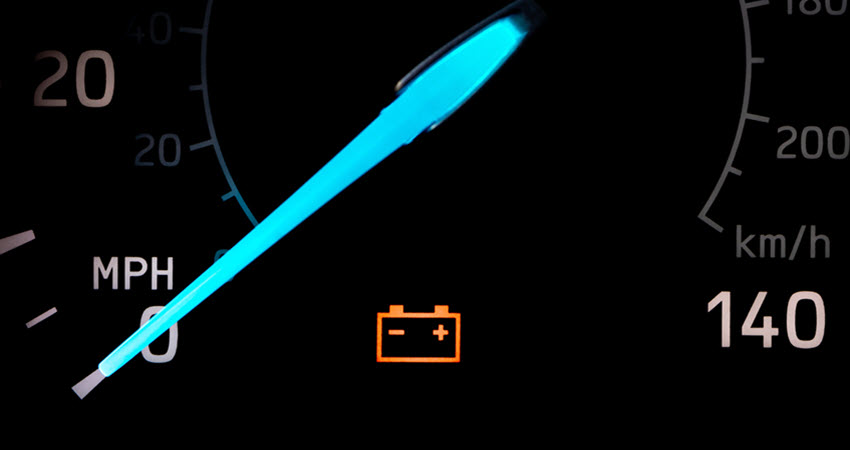
Amber light, no change in the pedal, car drives fine. That combination is why an ABS light gets ignored for months in this neighborhood. It should not be. The anti-lock system is doing nothing at all while that lamp is lit, and you will find out on the first wet morning when a wheel locks and the steering goes light in your hands. Bay Diagnostic has diagnosed European electronics from 1717 Gravesend Neck Road, in Homecrest, for over 40 years.
Quick Takeaways
- The light means it quit: Normal braking still works. The anti-lock function has switched itself off until the fault is fixed.
- Wheel speed sensors first: A cracked sensor, a rust-swollen reluctor ring or a green connector accounts for most ABS faults.
- Three lights, three meanings: ABS, traction control and the red brake warning are separate systems. They tell you separate things.
- Winter is when it bites: Marine Park and Mill Basin get the first slush, and that is the week an offline system shows up.
High-End European Vehicles We Service
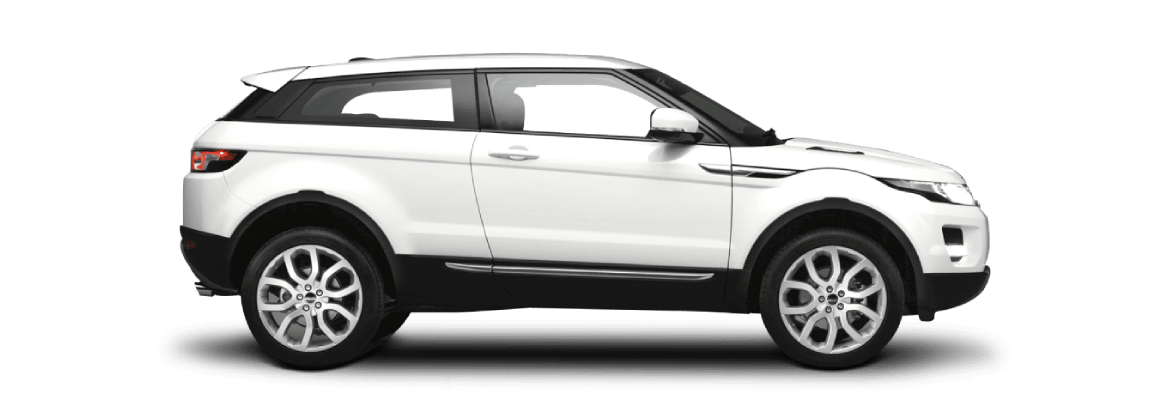
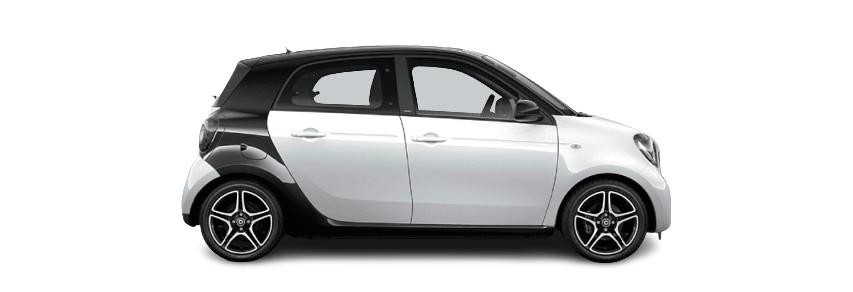
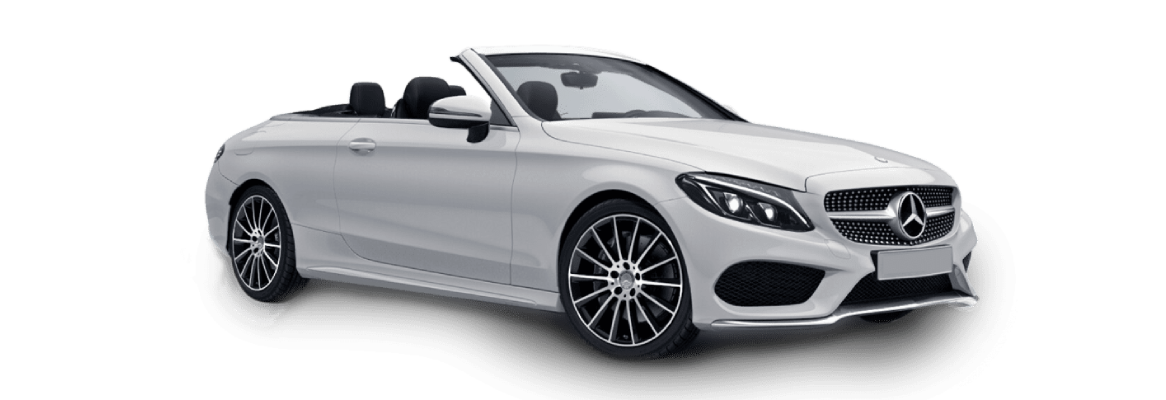
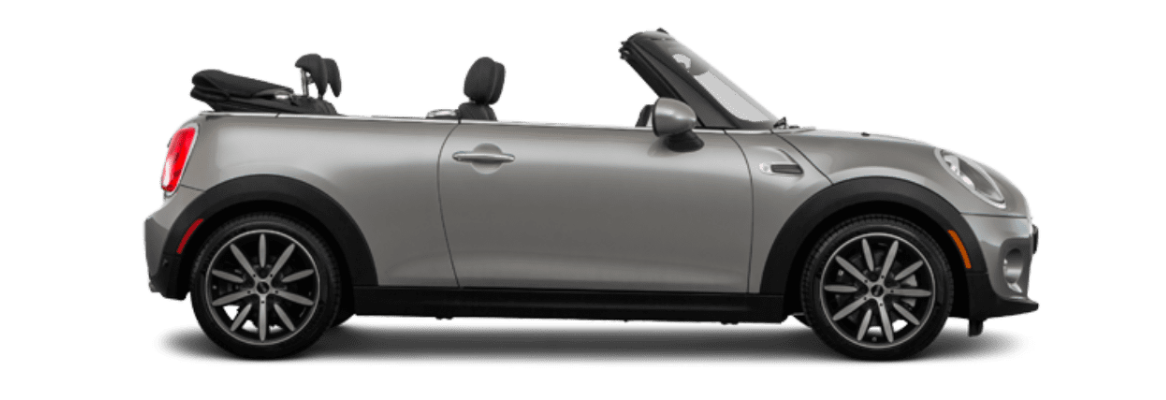

An ABS light means the system has taken itself offline
The car has found a fault it cannot work around and has shut the anti-lock function down rather than let it act on bad information. Your hydraulic brakes are untouched. Pedal height, pressure and stopping distance in the dry are all normal, which is exactly what makes the warning easy to live with and expensive to ignore.
What you lose is the part that only matters occasionally. On a wet manhole cover or a patch of slush, the wheels lock instead of pulsing, and a locked wheel cannot steer. Nothing feels wrong until it does.
Wheel speed sensors and reluctor rings cause most ABS faults
Each wheel has a sensor reading a toothed or magnetic ring that turns with the hub, and the module compares all four speeds thousands of times a minute. Anything that disturbs one signal takes the whole system down. Most of the time it is the sensor, the ring or the wire between them.
Rust is the usual culprit. A steel reluctor ring corrodes and swells, which pushes the air gap out of spec and scrambles the signal at low speed. Magnetic encoder rings molded into the wheel bearing seal are worse, because they are easy to wreck during a bearing job and invisible afterward, and then there is the harness, which chafes where it runs past the strut.
ABS, traction control and stability lights are not the same warning
They share hardware. They do not mean the same thing. The amber ABS lamp is the anti-lock circuit. A traction or stability icon — ASR on a Mercedes, DSC on a BMW, PSM on a Porsche — flashing as you drive means the system is intervening. Lit steadily, it means the system is off or has faulted, often on the back of that same wheel speed sensor.
The red brake warning is the one to respect: it points at fluid level or the parking brake, and low fluid is either a leak or pads at the end of their life. On a 2001 to 2009 Mercedes with Sensotronic Brake Control, a brake message is its own animal entirely.
In Marine Park and Mill Basin, ABS earns its keep in January
This is the car-dependent end of Brooklyn. Citywide, only about 24.0% of commute trips are made by car (NYC DOT, 2024 Citywide Mobility Survey), but out past Marine Park and across into Mill Basin the car is not optional, and those cars sit outside all winter.
Salt, slush and painted crosswalks make a genuinely low-grip surface for a few weeks a year. That is when it matters. A car whose ABS light came on quietly back in August is discovering the fault at the worst possible moment, in traffic, on a downhill approach to a light.
Finding the fault means live data, not just a code read
A stored code names the corner. Not the cause. Getting past that means watching all four wheel speed signals while the car rolls. ISTA does that on a BMW or MINI, XENTRY on a Mercedes, PIWIS on a Porsche, and AMP DAS or IDS on a Land Rover — all of them on the bench here. A sensor that drops out at 8 mph and returns at 20 is invisible to a code reader.
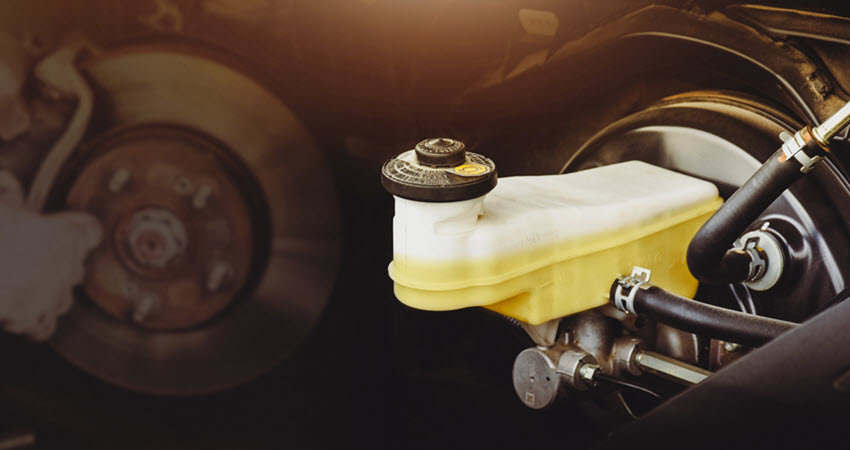
Two cheap things get checked first. Brake fluid level, because low fluid sets brake and ABS warnings together, and battery condition, because a tired battery drops system voltage on crank and litters the modules with faults that have nothing to do with brakes. Start there. It is free.
Book ABS Light Diagnosis in Brooklyn
Bay Diagnostic, 1717 Gravesend Neck Road, Brooklyn, NY 11229, open Monday through Friday from 7:30 AM to 4:30 PM and closed Saturday and Sunday. Online at www.baydiagnostic.com. ASE-certified technicians and over 40 years under the same ownership
Fill Out The Form Below
Frequently Asked Questions
What is the most common cause of an ABS light?
A wheel speed sensor or its reluctor ring, by a wide margin. Corroded connectors and chafed harnesses come next, then the ABS module itself — and on a salted, curb-parked Brooklyn car, corrosion is behind more of these than any component failure.
Why did my ABS and traction control lights come on together?
Because traction and stability control both run on wheel speed data from the ABS system. Lose one sensor signal and every function built on top of it switches off at the same moment. One fault, several lamps.
Can a weak battery cause an ABS light?
Yes, and it happens often on European cars. Voltage sags during cranking, control modules log faults they would never set on a healthy battery, and the ABS lamp is frequently the first one to appear. Test the battery before replacing anything expensive.
Can you reset an ABS light by disconnecting the battery?
The lamp may go out. The fault has not gone anywhere, and the light returns within a drive or two. Worse, you have erased the stored data that would have pointed at the corner at fault, so the diagnosis starts over from nothing.