1717 Gravesend Neck Road,




Brake Bleeding & Contaminated Brake Fluid
Repair in Brooklyn, NY
Brake Bleeding & Contaminated Brake Fluid
Repair in Brooklyn, NY
Bleeding brakes on a 1985 car meant two people, a wrench and a length of clear hose. On a Mercedes-Benz with Sensotronic or a BMW with stability control, much of the fluid sits behind solenoid valves inside a hydraulic unit the brake pedal cannot reach. Pump the pedal all afternoon. It never moves. This page is the problem side of brake fluid — the soft pedal, the fade, the dark fluid, the air left behind after caliper work — and what it takes to get a modern European brake system genuinely clean.
Quick Takeaways
- Spongy or sinking pedal: Air or water vapor in the lines. Something is compressing that should not be.
- Fade on a hot stop: Moisture-laden fluid boiling under heat, usually after repeated hard braking or a long grade.
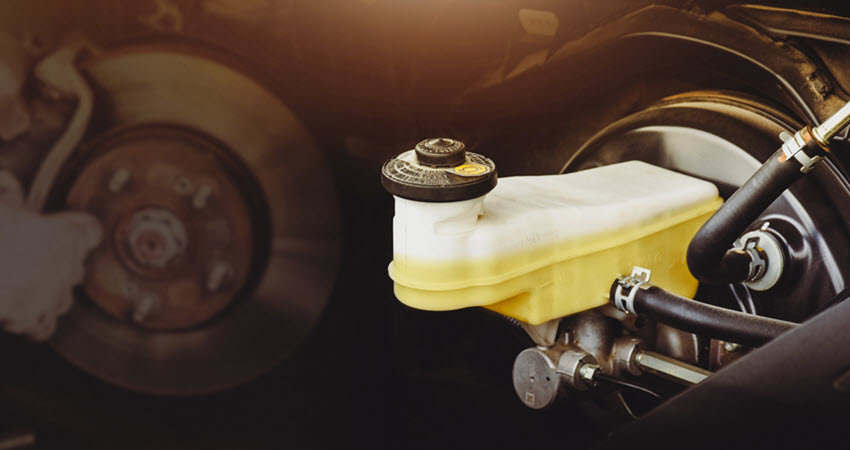
- Dark or cloudy fluid: Seal material and corrosion products circulating through the master cylinder and ABS unit.
- After hydraulic work: Opening a caliper, line or master cylinder puts air in the system that has to come back out.
- Scan tool required: The ABS or SBC unit must be cycled electronically to purge its pump and valve block.
High-End European Vehicles We Service







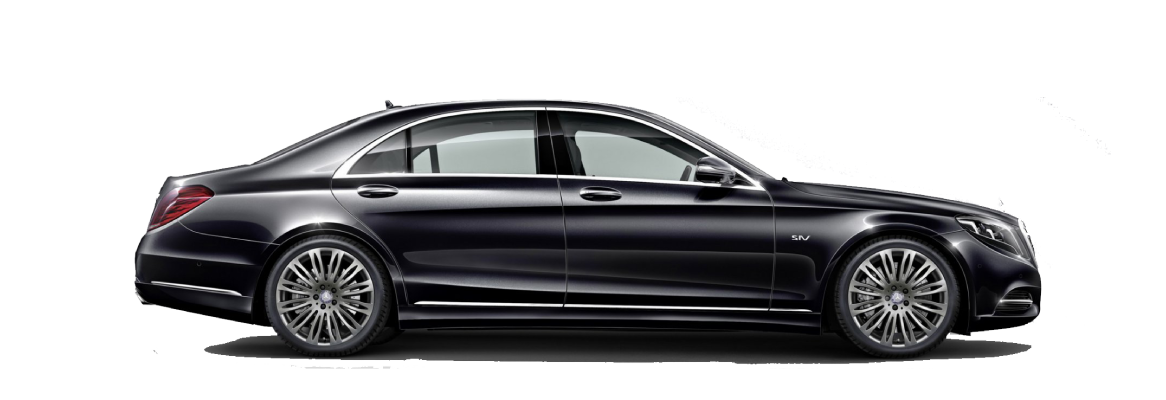
A soft or sinking pedal means something in the system is compressing
Brake fluid does not compress. Air does, and so does water once heat turns it to vapor. That is why a pedal that goes long, feels spongy, or slowly settles toward the floor while you wait at a light on Ocean Avenue is a hydraulic message rather than a worn-pad message.
Air gets in three ways: a repair that opened the system, a leak drawing air past a seal, or moisture in old fluid flashing to steam. Worn pads make a different complaint. You get noise, a longer stop, maybe a dash warning, and the pedal itself stays firm.
Firm pedal, think pads. Soft pedal, think fluid.
Fade on a hot stop is boiled fluid, not tired pads
If the pedal is solid for the first three stops and long on the fourth, the fluid is boiling. Heat travels from the pad backing plate through the caliper piston into the fluid sitting directly behind it, and contaminated fluid gives up hundreds of degrees of boiling point compared with fresh.
One hard stop will not do it. Repeated heavy braking in traffic on a 95-degree day will, and so will riding the brakes down a long grade with a loaded car.
Fade is not normal. It is a fluid condition with a straightforward fix, and ignoring it puts the calipers and the master cylinder next in line.
Dark fluid means the system is shedding into itself
Fresh brake fluid is clear to light amber. Dark brown or cloudy fluid is carrying rubber particles shed by caliper and master cylinder seals along with corrosion off the steel lines, and those particles score the same bores they are circulating through.
The routine two-year flush exists so you never have to look at that. If you are looking at it now, the fluid is not the only thing that needs attention. Bring it in.
A modern European car cannot be pedal-bled
The ABS unit is the reason. Inside it sit a pump, an accumulator and a block of solenoid valves holding a real volume of fluid, and in ordinary driving those valves stay closed to the brake circuit. A pedal cannot reach it. What is trapped in there stays old and wet while the rest of the system gets fresh fluid, and corroded valves are how an ABS unit dies.
The way through is electronic. A factory scan tool commands the ABS pump to run and cycles each valve in sequence, pushing the trapped fluid out through the bleeders in the correct order. We run ISTA, ISTA/P and OPIS for BMW and MINI, XENTRY for Mercedes-Benz, PIWIS2 and PIWIS3 for Porsche, and AMP DAS and AMP IDS for Land Rover.
→ the factory scan tools in our Brooklyn shop
Mercedes-Benz Sensotronic Brake Control is stricter again. An SBC unit has to be put into service mode through XENTRY before anyone opens a bleeder, and it keeps its own actuation count. Dennis, our Mercedes-Benz specialist, has about 30 years on these cars.
Belt Parkway construction will ask more of your brakes
Expect more stop-and-go close to home. NYC DOT has a design-build project to replace four Belt and Shore Parkway bridges over Sheepshead Bay Road, Ocean Avenue, Bedford Avenue and Nostrand Avenue, an anticipated $220,000,000 contract with Notice to Proceed in Summer 2026, and DOT states plainly that the bridges “exhibit deterioration and structural deficiencies.”
Lane shifts and detours mean more braking events per mile, and more braking means more heat pushed into the caliper and the fluid behind it. Clean, dry fluid absorbs that without complaint. Five-year-old fluid and a sticking ABS valve will not.
Get ahead of it.
Book a Brake Hydraulic Inspection
Bay Diagnostic is at 1717 Gravesend Neck Road, Brooklyn, NY 11229, in Homecrest on the Sheepshead Bay line. Hours are Monday through Friday, 7:30 AM to 4:30 PM, closed Saturday and Sunday, and the shop has run under the same ownership for over 40 years. ASE-certified technicians, factory scan tools for every brand we service, and a 36,000-mile/36-month warranty available. Online at baydiagnostic.com.
Fill Out The Form Below
Frequently Asked Questions
Can you bleed the brakes on a BMW without a scan tool?
You can bleed the calipers, but not the fluid trapped inside the ABS hydraulic unit. Reaching that needs a tool that runs the ABS pump and cycles the valves, such as ISTA.
What color should brake fluid be?
Clear to light amber when fresh. Dark brown, black or cloudy fluid is contaminated with seal material and corrosion, and it should be replaced.
What causes brake fade?
Heat. Moisture in aged fluid drops its boiling point, and once the fluid boils behind the caliper piston that vapor compresses, so the pedal travels farther and stopping power falls off.
Is bleeding the brakes the same as a brake fluid flush?
No. Bleeding removes air after a repair or a soft-pedal complaint. A flush replaces every drop of fluid on a schedule. A thorough job often does both.