1717 Gravesend Neck Road,




Tires for Your European Car in Brooklyn
Ordering, Fitting, and Storing Them
Tires for Your European Car in Brooklyn
Ordering, Fitting, and Storing Them
Two blocks of parallel parking will do more damage to a set of tires than a summer of highway miles. That is the Brooklyn trade-off. It shows up as a scuffed sidewall, a rim you bent without feeling it, and a wheel that shakes on the way down to Emmons Avenue. Bay Diagnostic has been fitting tires on European cars at 1717 Gravesend Neck Road for over 40 years. We order them, mount them, balance them, swap them by season, and keep the off-season set here so it isn’t stacked in your hallway.
Quick Takeaways
- Tire ordering: Search our TireConnect catalog by tire size or by your car, see what actually fits, and book the fitting in the same step.
- Balancing: Wheel weights come off in potholes. That shake at 50 on the Belt Parkway is usually balance, not the suspension.
- Tread depth: New York fails a tire at 2/32 of an inch, measured in the two most worn adjacent grooves.
- Seasonal swaps: We change winter and summer sets over and hold the off-season wheels in a climate-controlled area at the shop.
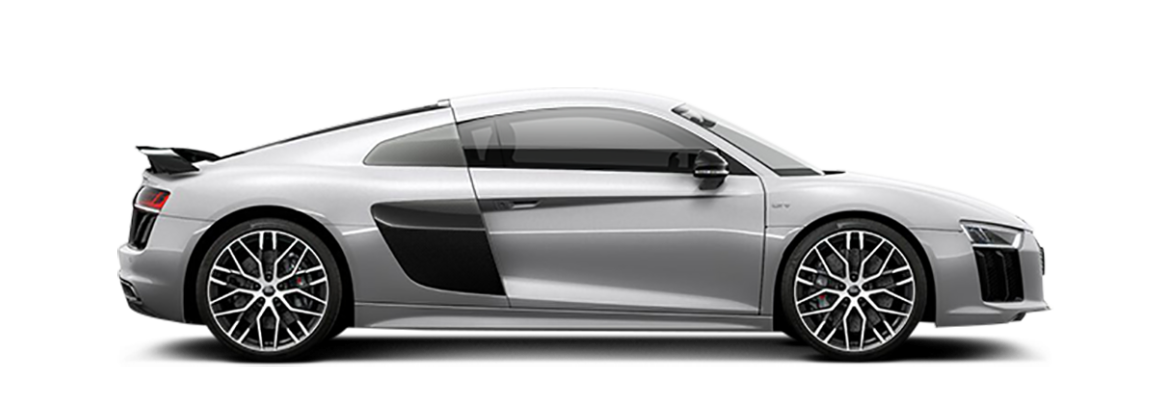
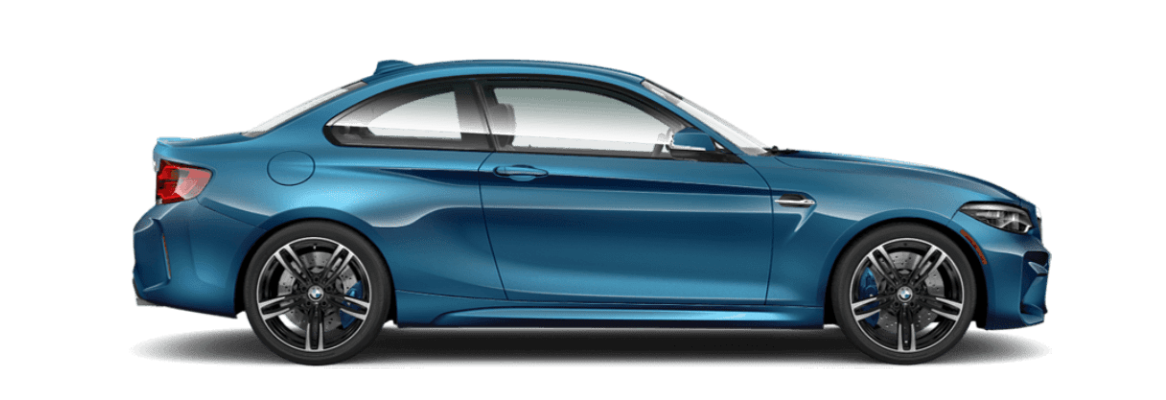
High-End European Vehicles We Service
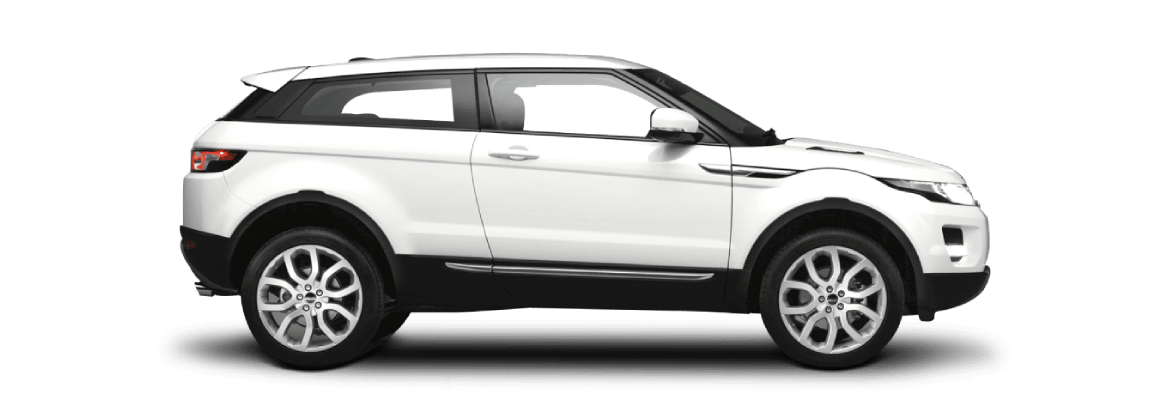
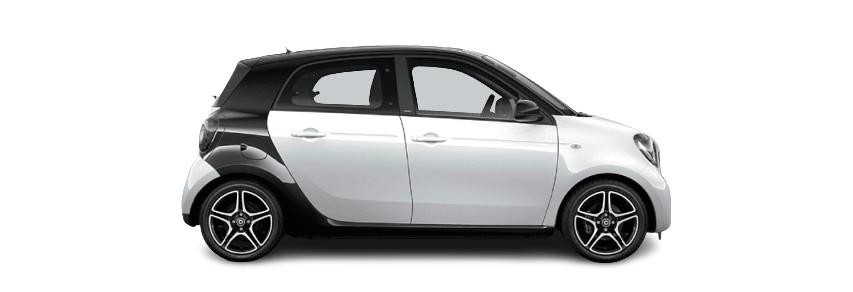

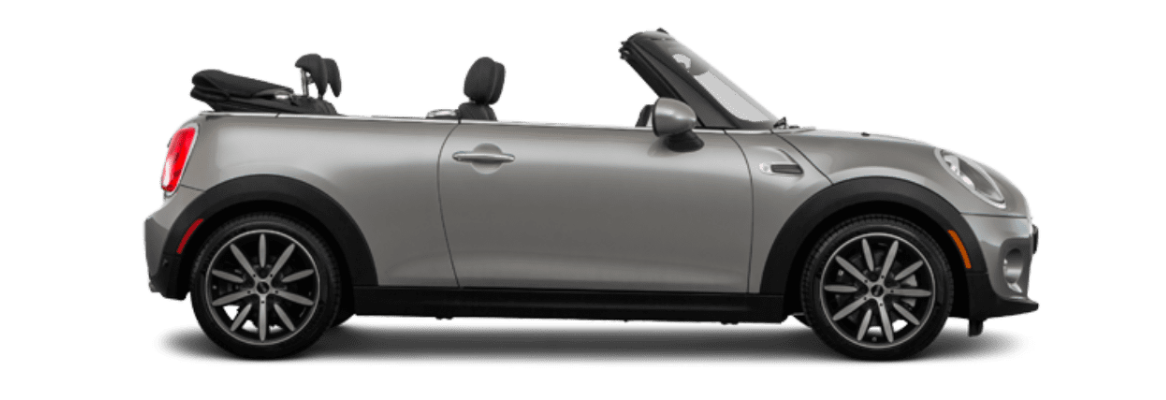


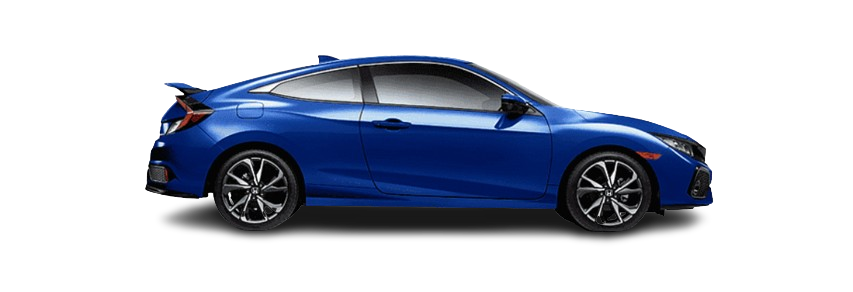
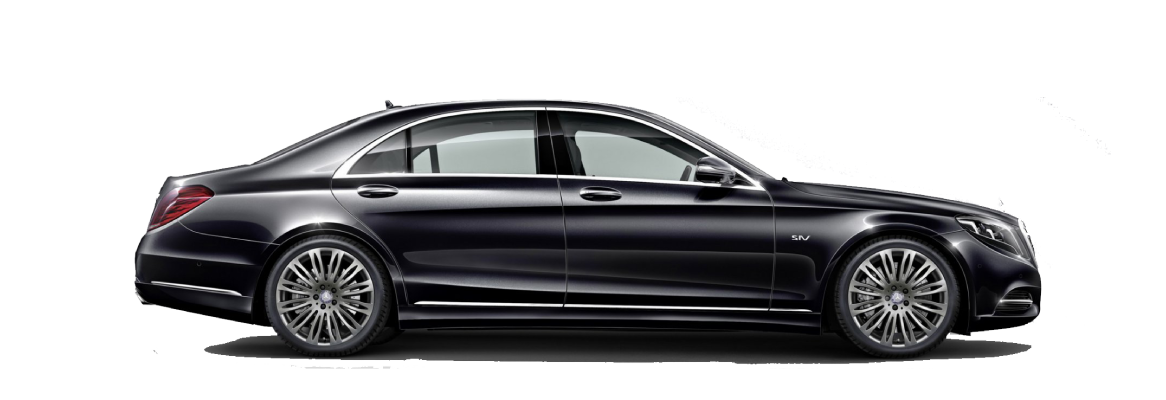
Tire ordering runs through our TireConnect catalog
You pick the tire before you come in. Our TireConnect catalog runs on the site: enter the size off the sidewall, or the year, make and model, and it shows what fits.
Sizing on a European car is fussier than most owners expect. A 5 Series on a staggered fitment runs a wider rear than front, and an X5 that left the factory on run-flats should go back on run-flats unless you plan to carry a spare. The load and speed ratings molded into a Cayenne’s sidewall are not numbers to round down. Get it wrong and the stability control reads two different rolling circumferences.
Read the sidewall. It’s all there. Bring us the numbers and we’ll order from them.
Balancing is what stops the shake at 50
A vibration that arrives at speed and disappears when you slow down is almost always balance. We spin the mounted wheel, find where it sits heavy, and correct it with weights on the rim.
Every new tire gets balanced when it goes on. The ones people forget are the wheels already under the car — a weight lets go in a pothole, or a stick-on weight releases after a winter of salt spray. Now there’s a shimmy the owner chases into the steering rack for six months. Checking balance is quick.
Alignment is a separate job. Balance is weight. Alignment is angles.
New York fails a tire at 2/32 of an inch
The state minimum is 2/32 inch of tread, measured in two adjacent major grooves at the most worn point. Below that the car does not pass its annual safety inspection.
That is the legal floor, not the replacement point. Wet braking distance climbs well before 2/32, and on a heavy sedan sending 300-plus horsepower to the rear wheels the tire runs out of grip long before the wear bars come flush with the tread. We measure all four at every visit and hand you the numbers. Numbers, not opinions.
Uneven wear tells its own story, and it usually points at the alignment rack.
Potholes and curbs are what actually end tires here
Most tires in this neighborhood die from impact, not from wear. NYC DOT repaired over 180,000 potholes across city streets and highways in fiscal year 2025, and those are the ones that got filled.
Emmons Avenue is where we watch the damage concentrate: a mile and a half south of the shop, angle parking along the water, boat trailers swinging wide, and a curb line that catches an alloy the second you misjudge it. A hard strike can leave the tread looking perfect and put a bulge in the inner sidewall that only shows with the wheel off the car. Bent rims are worse, because they hold air for a week and then don’t.
Losing air overnight? Stop driving on it.
Winter tires come off in spring and stay with us
We handle the seasonal changeover both directions, and the set that comes off doesn’t have to go home with you. Off-season wheels live here in a climate-controlled area.
That matters more than it sounds. Rubber ages on a shelf, not just on the road. Heat, sunlight and ozone harden the compound, so a set stacked beside a radiator or left on a fire escape through August comes back stiffer than it went away. Cars at the curb in Homecrest have nowhere to put four wheels, which is why so many people run all-seasons straight through a Brooklyn winter.
Salt air doesn’t help.
Book Tire Service in Brooklyn
Bay Diagnostic, 1717 Gravesend Neck Road, Brooklyn, NY 11229. Open Monday through Friday, 7:30 AM to 4:30 PM, closed Saturday and Sunday, with vehicle pickup and delivery available if you can’t get away from work. Online at www.baydiagnostic.com. Over 40 years under one owner and ASE-certified.
Fill Out The Form Below
Frequently Asked Questions
How often should tires be balanced?
Every time a tire is mounted. Also any time a vibration arrives at speed and fades when you slow down, and after a hard pothole hit, because a wheel weight that has flown off will not announce itself on the dash.
What is the legal tire tread depth in New York State?
2/32 of an inch, measured in two adjacent major grooves at the most worn spot. Below that the tire fails the annual safety inspection, and the whole car fails with it.
Do I really need winter tires in Brooklyn?
If the car sleeps at the curb and you drive it in January, yes. Winter compound stays pliable below about 45 degrees while an all-season goes hard, and that difference shows up on a wet, cold morning long before it snows.
Can I store my off-season tires at the shop?
Yes. We store off-season sets in a climate-controlled area and swap them back on when the weather turns, so nothing spends six months baking on a balcony.